AUTHOR: Seok Woo Yang, MD & PhD
DATE: 2026.01.21.
CONTENTS:
Cold-induced headache (also known as "brain freeze" or cold-stimulus headache) is primarily mediated by the trigeminal nerve (cranial nerve V). It occurs when cold or cool foods/beverages contact the palate or oral mucosa.
In some cases, ingestion of very cold substances may also involve vagal (cranial nerve X) reflexes from the stomach, potentially contributing to referred pain or associated symptoms in the head.
In my clinical experience, caffeinated coffee can act as another form of "cooling" stimulus. Excessive intake may trigger haphazard gastric spasms (mediated via the vagus nerve), which in turn can manifest as facial muscle twitching or spasms (potentially via trigeminal nerve pathways). This presentation is sometimes misdiagnosed as magnesium deficiency-related fasciculations or as a prodromal sign of Bell's palsy.
The effective antidotes to cold-induced headaches are ‘warm or hot ginger, chamomile tea, and cappuccino’.
The early phase of flu or common cold—often characterized by cold sensations, myalgia, and headache—shares overlapping mechanisms with cold-induced headache, particularly in terms of systemic cooling effects and trigeminal activation.
Therefore, remedies effective for cold-induced headache can be applied to alleviate symptoms during the initial stages of flu or common cold.
The following are practical recipes and tips for chamomile tea, ginger tea (or pudding), and cappuccino:
[1] When brewing chamomile tea using a tea bag, remove the tea bag before drinking (unless it is made of natural materials like cotton or linen) to avoid ingesting microplastic particles.
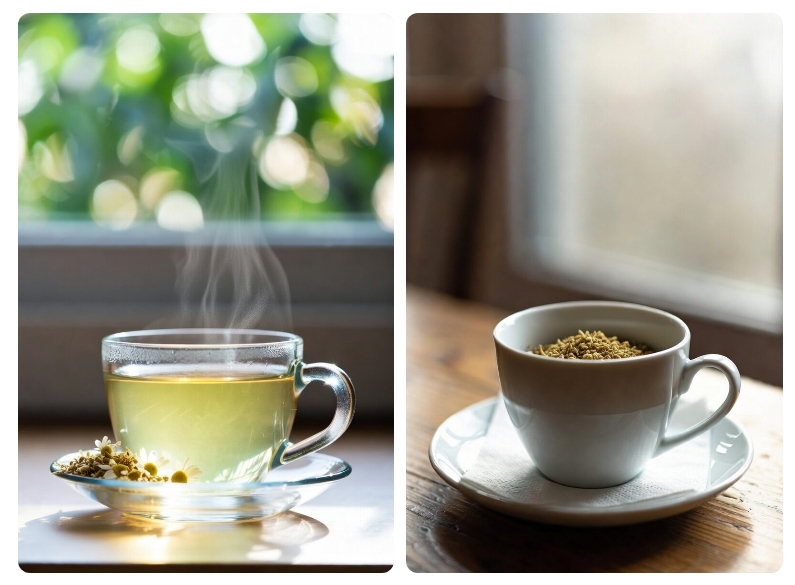
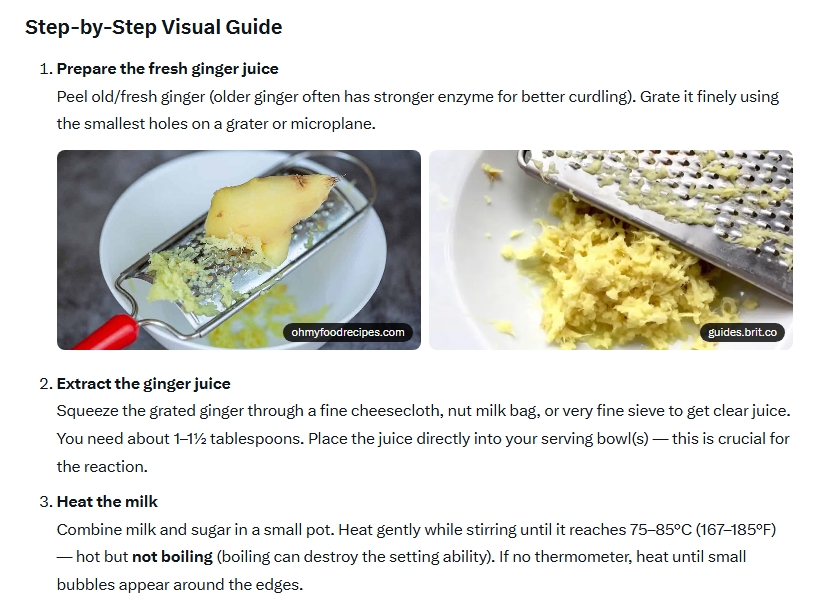
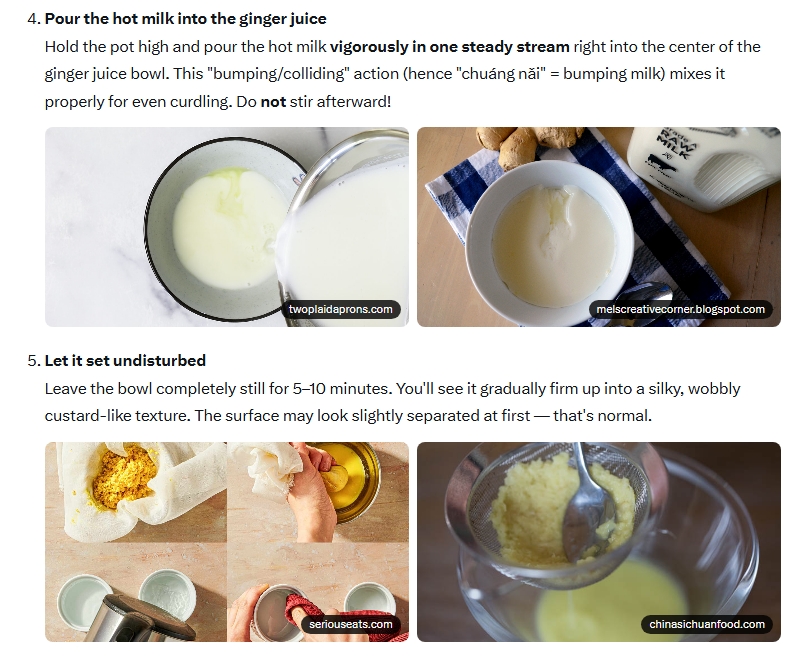
[2] If plain ginger tea feels too strong or unpalatable, consider Hong Kong-style ginger milk pudding (also known as ginger milk curd or 姜汁撞奶) as a gentler alternative. Here is a Grok AI summary of key tips for success:
- Fresh ginger is essential—if the mixture fails to set, the ginger may not be fresh/active enough; try older, more mature ginger or increase the juice volume next time.
- Milk temperature is critical: too cool (<65°C) prevents setting; too hot (>85°C) causes whey separation or a grainy texture. Aim for 65–70°C (ideally around 70°C) when combining with ginger juice for optimal curdling.
- For firmer results (as seen in Hong Kong dessert shops), add 1 tsp milk powder per 200 ml milk or use slightly less milk overall.
- It sets quickly and is best enjoyed fresh—avoid preparing too far in advance.

[3] If you crave coffee even during episodes of cold-induced headache or facial spasms, cappuccino offers a viable option to minimize symptoms. Traditional cappuccino consists of espresso, steamed whole milk, and a dusting of cinnamon powder. The whole milk and cinnamon help increase body core temperature (via the warming properties of milk fats and cinnamon's thermogenic effects), counteracting the "cooling" sensation that triggers symptoms.

'Health' 카테고리의 다른 글
| Pumpkin Seeds, the highest protein food (0) | 2026.03.09 |
|---|---|
| Electrolyte Drink, Homemade (0) | 2026.03.09 |
| the Longevity Secrets of Smilyan Village (2) | 2026.01.11 |
| Dongchimi (Donghimi Makguksu) Recipe (동치미 막국수) (0) | 2026.01.09 |
| Father's Day (0) | 2020.06.22 |