The user query is "Homemade electrolyte drink, proofread?" but no specific recipe text was provided in the message. It seems you might want me to review, correct, or improve a homemade **이온음료** (sports drink/electrolyte drink) recipe—perhaps one you have in mind, or a common one.
Since no exact recipe was shared, I'll provide a few well-regarded, balanced homemade versions based on reliable sources (e.g., Healthline, EatingWell, and sports nutrition guidelines). These aim for good electrolyte replenishment (sodium, potassium, some magnesium/calcium where possible), moderate carbs for absorption/energy, and natural flavors—similar to commercial sports drinks like Gatorade or Pocari Sweat but healthier and customizable.
Key principles for a good homemade electrolyte drink: - **Sodium**: ~200–500 mg per liter (from salt) to replace sweat losses. - **Potassium**: From citrus, coconut water, or fruit juice (~200–400 mg per liter). - **Carbs**: 4–8% concentration (e.g., 20–60 g per liter) for better fluid uptake without GI upset. - **Other**: Optional magnesium/calcium; avoid excess sugar. - Use clean water; chill before drinking.
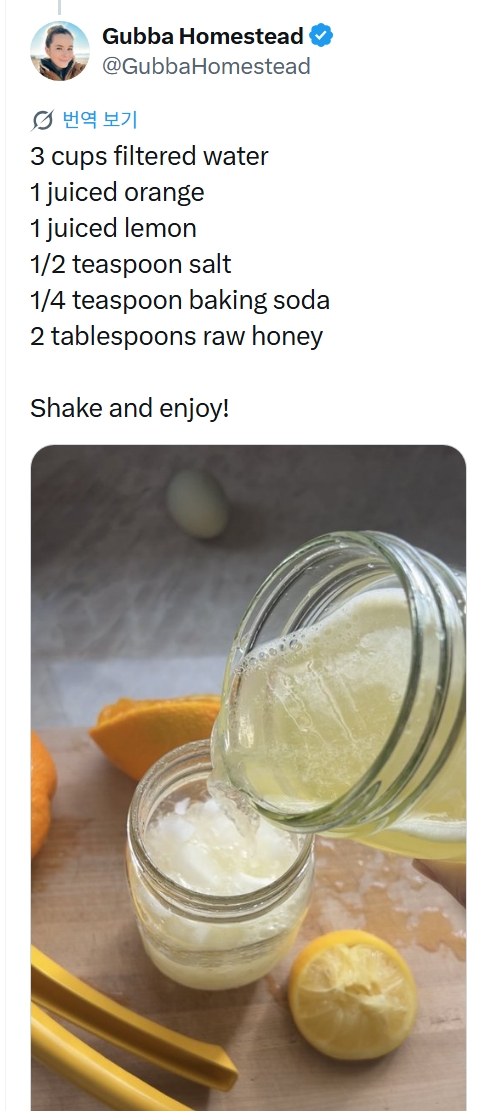
### 1. Simple Citrus Electrolyte Drink (Basic & Refreshing) **Ingredients** (makes ~1 liter / 4 cups, ~4 servings): - 2 cups (480 ml) cold water - 1½ cups (360 ml) unsweetened coconut water (great natural potassium source) - ¼ cup (60 ml) fresh lemon juice - ¼ cup (60 ml) fresh lime juice (or orange juice for milder/sweeter) - ⅛–¼ tsp sea salt or Himalayan pink salt (start low; ~300–600 mg sodium) - 1–2 tbsp honey, maple syrup, or sugar (optional, for taste and carbs; ~10–20 g)
**Instructions**: 1. Whisk or shake all ingredients in a large bottle/pitcher until salt and sweetener dissolve. 2. Chill and serve over ice. Adjust salt/sweetness to taste.
**Approximate per 8 oz serving**: ~100–150 mg sodium, ~200 mg potassium, 5–10 g carbs. Low-sugar option: skip sweetener.
### 2. Orange-Lime Version (Closer to Classic Sports Drink Taste) **Ingredients** (makes ~1 liter): - 1½ cups unsweetened coconut water - ½ cup fresh orange juice - 2 tbsp fresh lime juice - Pinch (~⅛ tsp) sea salt - Optional: 1–2 tbsp honey or a splash more juice for sweetness
**Instructions**: Mix, stir until dissolved, chill.
This is popular and evidence-based (similar to Healthline/EatingWell recipes).
### 3. Very Basic No-Fruit Version (For Minimalists or Low-Carb) **Ingredients** (1 liter): - 1 liter water - ¼–½ tsp salt (~500–1,000 mg sodium) - 2–4 tbsp honey/maple syrup/sugar (for carbs/energy) - Juice of 1–2 lemons/limes (for potassium + flavor)
Mix and adjust.
If you're a runner/endurance athlete in hot weather (common in Korea summers), add a bit more salt. For general hydration (e.g., after workout or illness), the citrus versions work well.
**Tips & Safety**: - Taste-test small batches—too much salt tastes bad; too little won't help rehydration. - For medical use (e.g., dehydration from illness), consult a doctor; this isn't an oral rehydration solution (ORS) like WHO formula. - Store in fridge up to 2–3 days. - If adding calcium/magnesium powder (e.g., for cramps), use food-grade and small amounts (~¼ tsp per liter).
If this is proofreading a **specific recipe** you have (e.g., paste the ingredients/instructions), share it and I'll check for balance, safety, typos, or improvements! As an MD/PhD, you might want precise electrolyte ratios—let me know your goal (e.g., post-exercise, heat acclimation). 😊
Cold-induced headache (also known as "brain freeze" or cold-stimulus headache) is primarily mediated by the trigeminal nerve (cranial nerve V). It occurs when cold or cool foods/beverages contact the palate or oral mucosa.
In some cases, ingestion of very cold substances may also involve vagal (cranial nerve X) reflexes from the stomach, potentially contributing to referred pain or associated symptoms in the head.
In my clinical experience, caffeinated coffee can act as another form of "cooling" stimulus. Excessive intake may trigger haphazard gastric spasms (mediated via the vagus nerve), which in turn can manifest as facial muscle twitching or spasms (potentially via trigeminal nerve pathways). This presentation is sometimes misdiagnosed as magnesium deficiency-related fasciculations or as a prodromal sign of Bell's palsy.
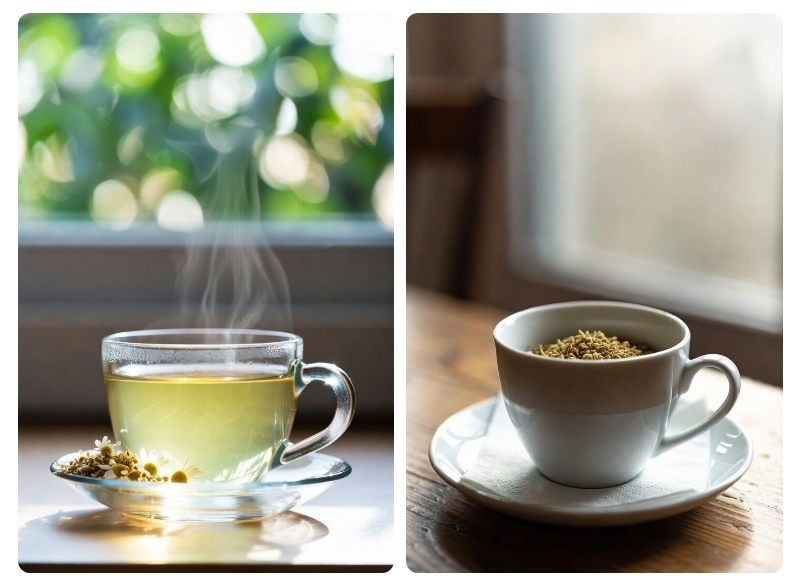
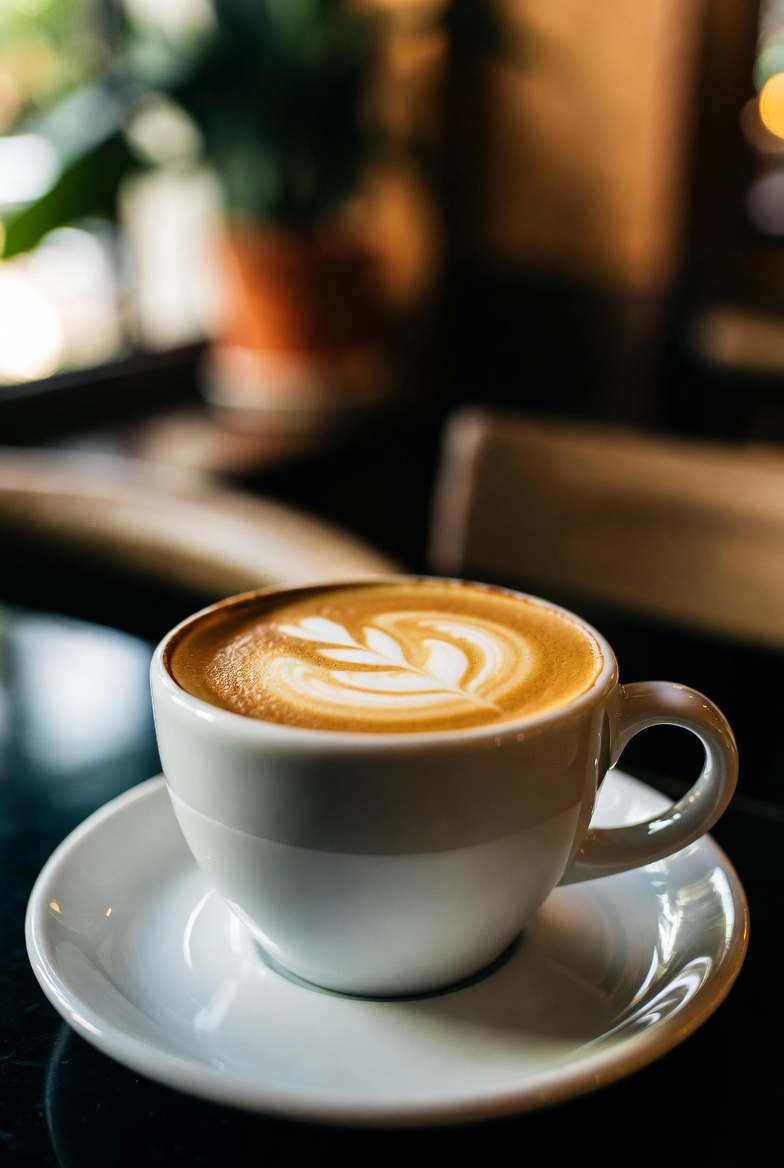
The effective antidotes to cold-induced headaches are ‘warm or hot ginger, chamomile tea, and cappuccino’.
The early phase of flu or common cold—often characterized by cold sensations, myalgia, and headache—shares overlapping mechanisms with cold-induced headache, particularly in terms of systemic cooling effects and trigeminal activation.
Therefore, remedies effective for cold-induced headache can be applied to alleviate symptoms during the initial stages of flu or common cold.
The following are practical recipes and tips for chamomile tea, ginger tea (or pudding), and cappuccino:
[1] When brewing chamomile tea using a tea bag, remove the tea bag before drinking (unless it is made of natural materials like cotton or linen) to avoid ingesting microplastic particles.
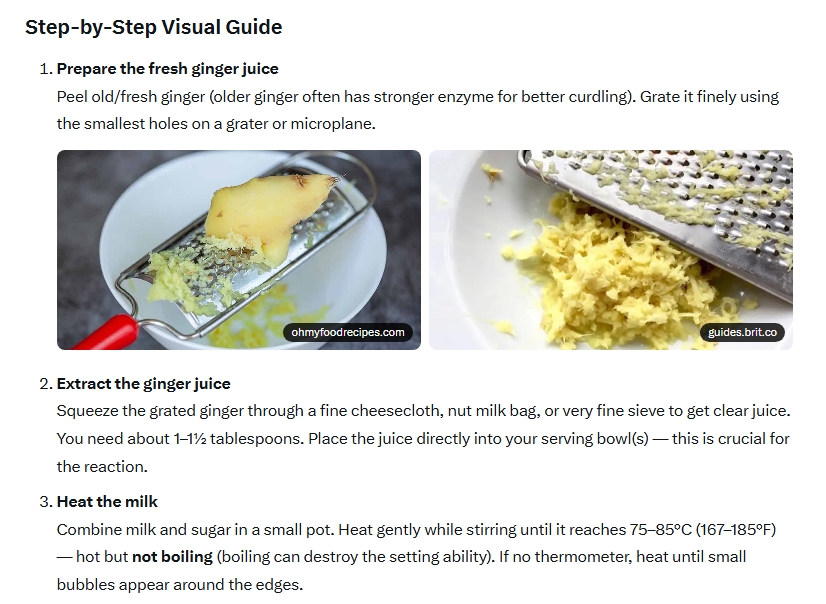
[2] If plain ginger tea feels too strong or unpalatable, consider Hong Kong-style ginger milk pudding (also known as ginger milk curd or 姜汁撞奶) as a gentler alternative. Here is a Grok AI summary of key tips for success:
Fresh ginger is essential—if the mixture fails to set, the ginger may not be fresh/active enough; try older, more mature ginger or increase the juice volume next time.
Milk temperature is critical: too cool (<65°C) prevents setting; too hot (>85°C) causes whey separation or a grainy texture. Aim for 65–70°C (ideally around 70°C) when combining with ginger juice for optimal curdling.
For firmer results (as seen in Hong Kong dessert shops), add 1 tsp milk powder per 200 ml milk or use slightly less milk overall.
It sets quickly and is best enjoyed fresh—avoid preparing too far in advance.
[3] If you crave coffee even during episodes of cold-induced headache or facial spasms, cappuccino offers a viable option to minimize symptoms. Traditional cappuccino consists of espresso, steamed whole milk, and a dusting of cinnamon powder. The whole milk and cinnamon help increase body core temperature (via the warming properties of milk fats and cinnamon's thermogenic effects), counteracting the "cooling" sensation that triggers symptoms.
Summary of the Longevity Secrets of Smilyan Village (from EBS Documentary Perspective)
> Summarized by Grok AI. > Photo idea: Seok Woo, Yang. > Photo creation by Grok.
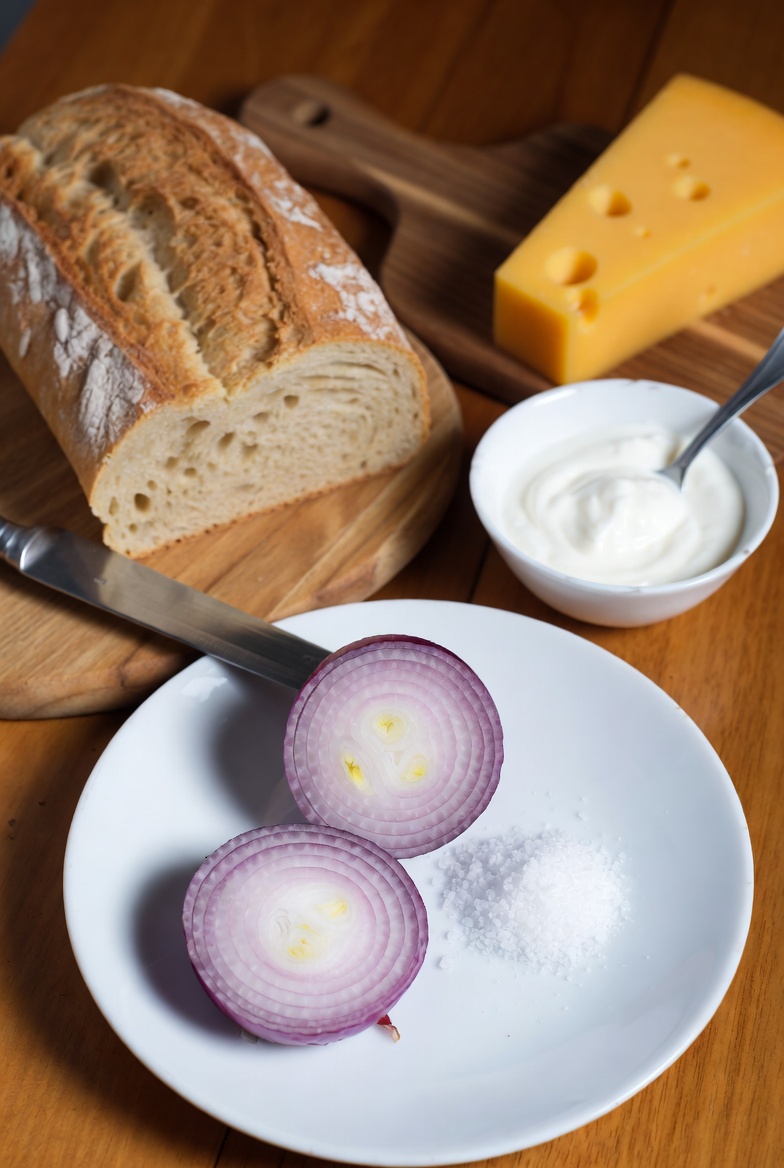
Yogurt, Cheese, Bread, Onion, Salt
One but representative case of simple healthy food, Smilyan village of Bulgaria: 1. Carbohydrates (bread). 2. Protein & fat (cheese, yogurt). 3. Vegetable with minerals, vitamins and phytonutrition (onion; quercetin-rich) 4. Salt (necessary electrolytes). [Seok Woo, Yang, 2026.01.11.]
The EBS coverage of Smilyan (a small village known for having an unusually high number of people over 100 years old) highlighted the following key factors contributing to longevity:
1. Regular, natural physical activity throughout the day → Farming, taking care of livestock, walking, household chores — the lifestyle involves constant gentle movement without sitting still for long (not structured "exercise," but daily life itself).
2. Clean natural environment + pure mountain air and water → Pristine air and natural spring water in the Rhodope Mountains. → A remote mountain village far from air pollution and urban stress.
3. Simple, traditional diet centered on fermented foods > Daily consumption of yogurt, cheese, and other fermented products made from the local specialty Smilyan beans. > Mostly vegetables and grains, with very little meat. > Rich in beneficial gut bacteria, which greatly supports immunity and long life.
4. Strong community bonds, family-centered life, and social connections → Villagers help each other, gather frequently to talk and laugh together. → Almost no loneliness — living with the mindset of "never being alone" provides strong mental stability.
5. Low stress and a relaxed attitude toward life → Living in harmony with nature's rhythm, without being rushed by time. → An optimistic, laid-back mindset: "Tomorrow's worries are for tomorrow."
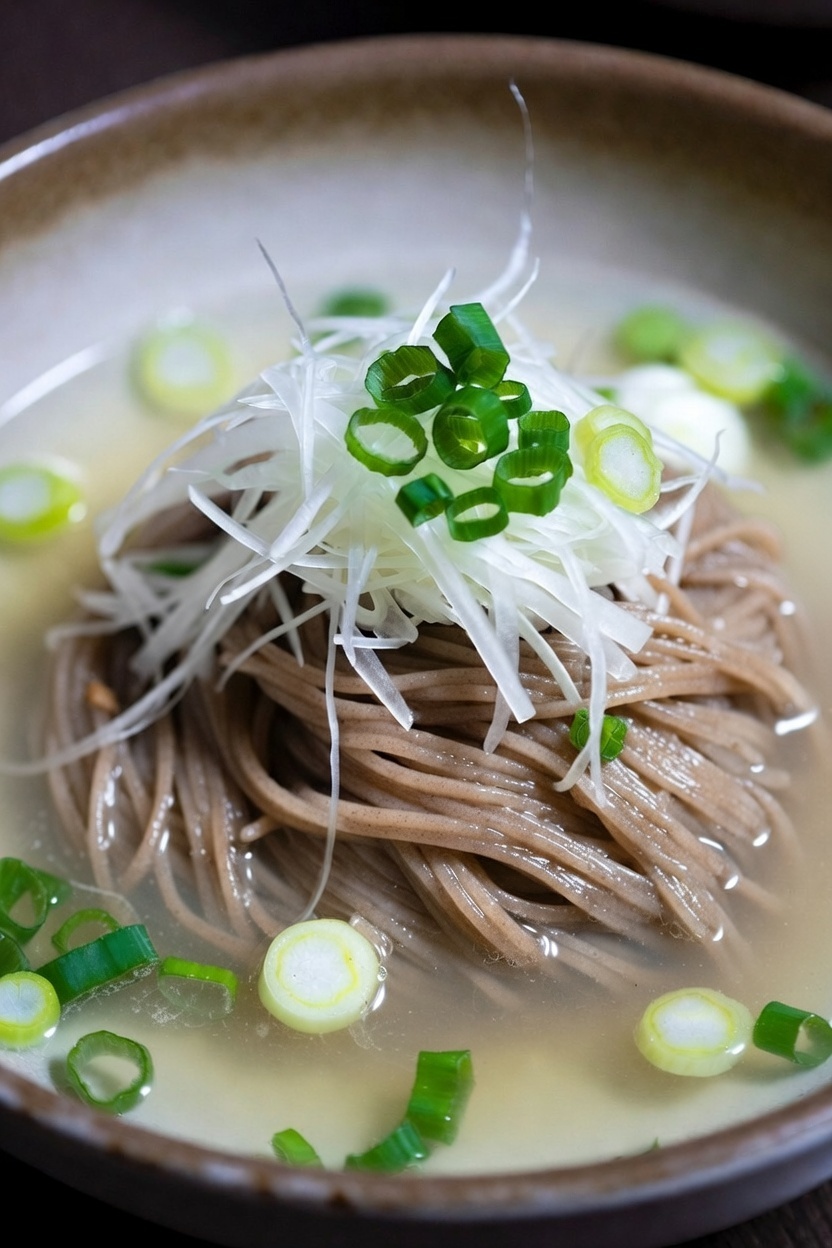
Makguksu is a Korean noodle dish made with buckwheat noodles.
In Korea, the broth that pairs best with buckwheat noodles is known as dongchimi (a type of watery radish kimchi).
Buckwheat comes in two main varieties: black buckwheat and white buckwheat. Personally, I think both are excellent ingredients, as they contain a balanced array of nutrients.
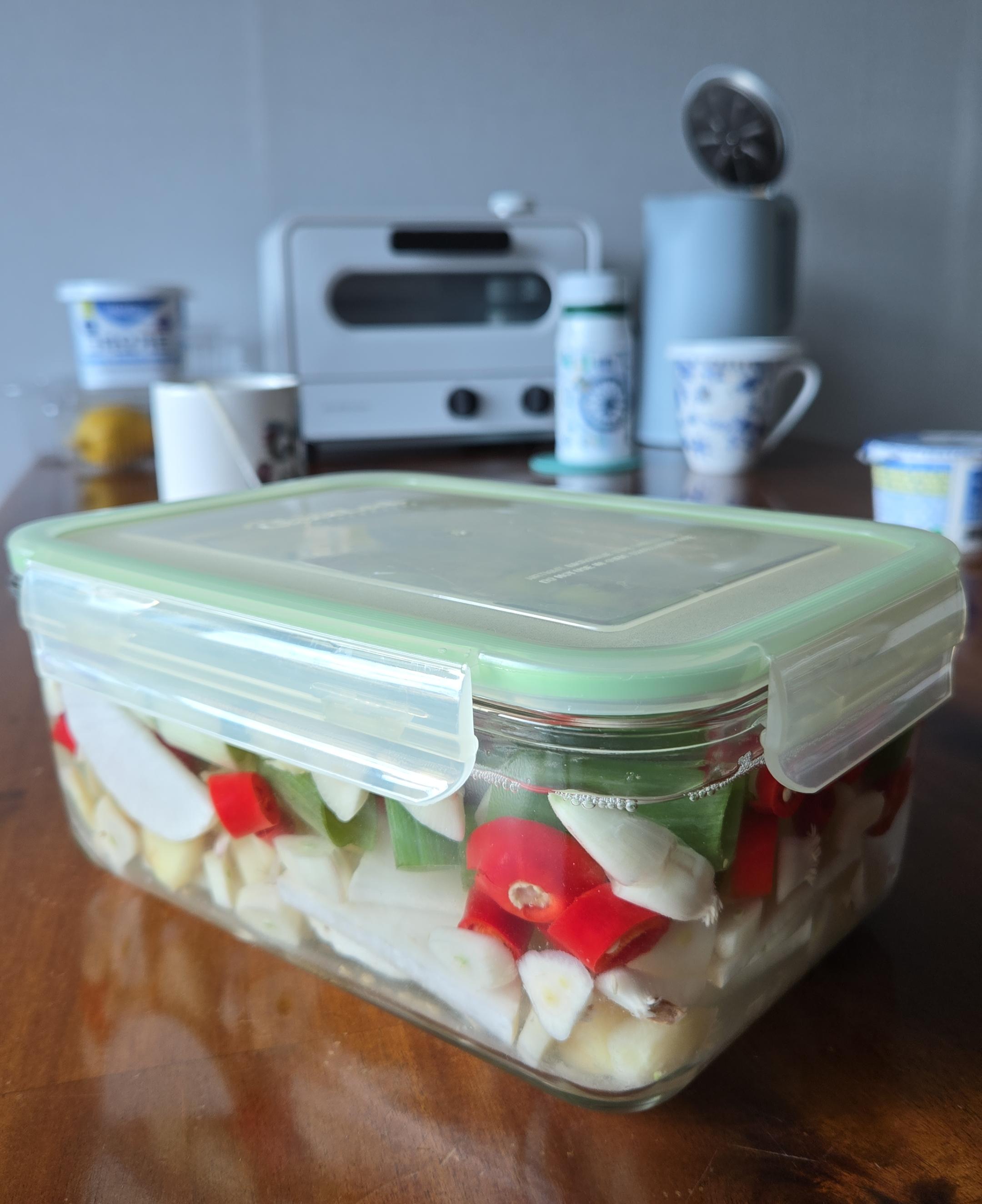
This is my (Seok Woo Yang's) dongchimi recipe, which uses only the following ingredients: salt, Korean radish (mu), green onions (pa), garlic, ginger, and red chili peppers (honggochu).
For the salting amount: After laying down one layer of thinly sliced radish at the bottom of the container, grind some salt and sprinkle it thinly and evenly—just enough to lightly cover the surface. Then add another layer of radish on top and repeat the salting process. Continue this way until the container is filled to about halfway.
Let it sit at room temperature for 2 to 6 hours, until the salt has properly penetrated and pickled the radish.
Then, fill the container to the top with clean (clear) water and refrigerate it for about 7 days to mature before eating.
The radish, green onions, garlic, red chili peppers, and ginger can all be stored for at least 3 months while maintaining good texture.
You can also take them out and use them as ingredients in other dishes.
Metabolic syndrome includes hypertension, diabetes mellitus, hyperlipidemia(hypercholesterolemia), and obesity, which cause cardiovascular diseases.
Metabolic syndrome comes from insulin resistance, which is due to decreased production of insulin in the pancreas and increased resistance to insulin action in the body tissue.
Insulin resistance causes vascular disease like atherosclerosis and arteriosclerosis by accumulation of fat tissue in the endothelial layer in the blood vessel and ectopic fat deposition outside the blood vessel. The affected blood vessels in the major organs, such as heart, liver, pancreas, kidney, and brain, lead to thrombosis or vessel injured hemorrhage and result in loss of function of organs.
What kind of diet is preventive for insulin resistance?
(Answer) Mediterranean diet.
The components of the Mediterranean diet are as follows;
1.Extra-virgin olive oil.
2.Nuts.
3.Fresh vegetables or herbs.
4.Dairy products (cheese and yogurt).
5.A proper amount of good carbohydrate product (rice, whole wheat, grains)
Among the five above components, extra-virgin olive oil and nuts are key factors of the Mediterranean diet.
Reference
Estruch R, Ros E, Martinez-Gonzalez MA. Mediterranean diet for primary prevention of cardiovascular disease. New England Journal of Medicine 2013. Aug 15;369(7):676-7.